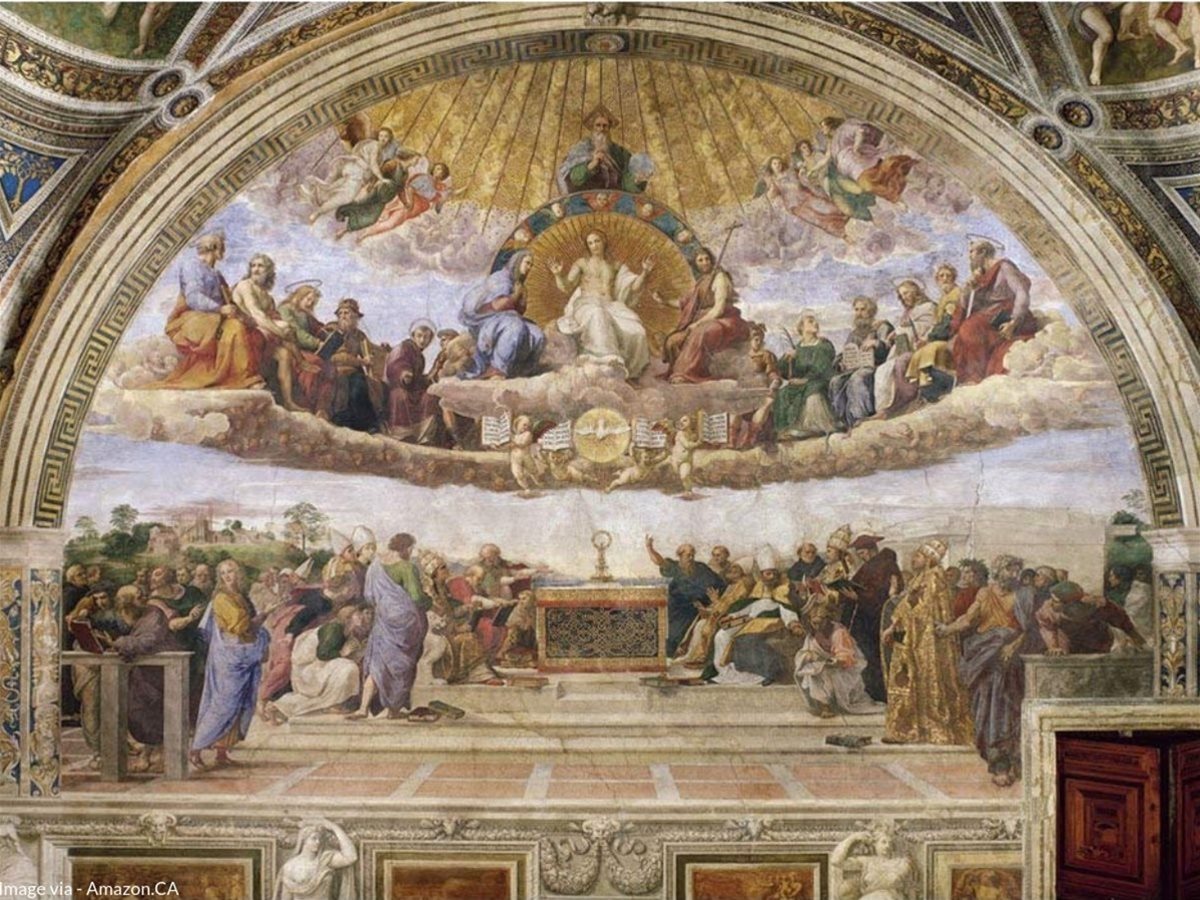
The Renaissance wasn’t just a moment in time; it was a spark that reshaped the destiny of the world. When people hear the word today, they often think of grand paintings, marble sculptures, and famous names like Leonardo da Vinci or Michelangelo. But the truth is far more complex. The Renaissance was a complete shift in how humans understood knowledge, creativity, faith, and even themselves. It was messy, bold, daring, and beautifully transformative.
This article explores the 10 big ideas that made the Renaissance one of the most influential turning points in human history. Not in stiff academic language—but in a warm, human-written style that feels like a seasoned storyteller guiding you through time.
Whether you’re a student, a researcher, or simply curious about how we reached the modern era, these ideas will help you understand why the Renaissance still matters.
Introduction: When the World Woke Up
Imagine Europe in the Middle Ages. Life was mostly predictable, structured, and deeply religious. Knowledge belonged to a privileged few. Most people accepted the world as it was because they didn’t know any other way. Then, like a sudden beam of light cutting through fog, the Renaissance began.
People started questioning old beliefs. Artists studied real human bodies instead of drawing stiff, symbolic figures. Scientists looked beyond the church’s explanations and started experimenting. Writers expressed emotion and individuality. Cities buzzed with trade, culture, and new ideas. It was as if Europe had been asleep for centuries and finally awakened.
The Renaissance wasn’t an overnight miracle; it grew slowly in places like Florence, Venice, and Rome, fueled by thinkers, merchants, artists, and explorers who dared to imagine something different.
Let’s walk through the 10 ideas that truly transformed human history during this period.
1. Humanism — The Idea That Humans Matter
If one idea defined the Renaissance, it was Humanism. This wasn’t about rejecting religion; it was about rediscovering the value of humans as creative, rational beings.
Humanism encouraged people to study:
- Literature
- History
- Rhetoric
- Philosophy
- Classical Greek and Roman texts
Instead of looking only to the church for answers, people began asking: What can humans achieve through reason, talent, and effort?
This shift changed everything—education, politics, art, and even personal identity. Humanism made people believe they had the power to shape their own destiny.
- The Revival of Classical Learning
The Renaissance wasn’t about inventing new knowledge from scratch. Instead, it was about rediscovering ancient wisdom lost during the Middle Ages.
Scholars dug up forgotten manuscripts by Aristotle, Plato, Cicero, and other classical thinkers. These texts brought fresh ideas about science, democracy, art, and logic into the spotlight again.
Classical learning shaped:
- Architecture
- Literature
- Political philosophy
- Scientific inquiry
Without this revival, the Renaissance would never have gained momentum. It gave Europe older voices that sparked new ideas.
- Artistic Realism — Seeing the World as It Truly Is
Before the Renaissance, art served mainly religious purposes. Figures looked flat, symbolic, and disconnected from real life.
Then Renaissance artists arrived and changed the rules completely.
They introduced:
- Linear perspective
- Chiaroscuro (light and shadow)
- Anatomical accuracy
- Proportions based on mathematics
- Emotionally expressive faces
Suddenly, paintings looked alive. Sculptures captured motion, tension, and personality. Human bodies were no longer hidden under drapery—they were celebrated for their beauty and complexity.
Artists like:
- Leonardo da Vinci
- Michelangelo
- Raphael
- Botticelli
- Donatello
… did more than create beautiful works. They redefined how humans saw themselves.
This artistic revolution remains one of the most recognizable symbols of the Renaissance.
- Scientific Inquiry — The Courage to Question Everything
The Renaissance encouraged curiosity. Scientists began to observe, measure, test, and challenge old assumptions rather than simply accepting them.
This movement, often called the Scientific Revolution, developed scientific thinking through:
- Empirical observation
- Mathematics
- Experimentation
- Logical reasoning
Key figures included:
- Galileo Galilei
- Copernicus
- Johannes Kepler
- Isaac Newton (slightly later but influenced by Renaissance ideas)
One of the boldest ideas came from Copernicus, who said the Earth wasn’t the center of the universe. This single statement shook Europe’s worldview and laid the foundation for modern astronomy.
Science stepped into a new era—all because Renaissance thinkers dared to ask questions.
- Innovation in Printing — Knowledge for Everyone
Before the printing press, books were handwritten. They were rare, expensive, and often full of copying errors. Only the wealthy or the clergy owned them.
Then came Johannes Gutenberg and his revolutionary printing press in the mid-1400s.
It changed everything:
- Books became affordable
- Literacy spread rapidly
- Ideas traveled across borders
- Political and religious debates intensified
- Scientists could share their discoveries
The printing press made the Renaissance possible on a global scale. Ideas no longer stayed in one city—they moved freely and fast.
In many ways, it was the internet of its time.
6. Exploration and Global Expansion
The Renaissance mindset encouraged curiosity—not just about ideas, but about the world itself.
Explorers like:
- Christopher Columbus
- Vasco da Gama
- Ferdinand Magellan
- Amerigo Vespucci
… set out to discover new routes, lands, and cultures.
This era of exploration:
- Connected continents
- Spread goods, technologies, and ideas
- Transformed trade and navigation
- Gave rise to global economy foundations
Of course, exploration also brought conflict, colonization, and cultural disruption. The Renaissance spirit of discovery had both brilliance and complexity.
7. The Shift in Religious Thought
While religion remained deeply important, the Renaissance encouraged people to read religious texts more critically and individually.
The movement triggered:
- The Protestant Reformation
- Challenges to the authority of the Catholic Church
- Translations of the Bible into common languages
- A rise in personal religious interpretation
Thinkers like Martin Luther and Erasmus played major roles.
This shift didn’t eliminate religion; it diversified it and made spiritual understanding more personal.
- Political Thought and the Birth of Modern States
The Renaissance produced new ideas about governance, diplomacy, and political strategy.
Niccolò Machiavelli’s famous book The Prince introduced a realistic, sometimes brutal view of political power. It remains one of the most discussed works in political science today.
Renaissance political thinkers explored:
- Secular governance
- Civic responsibility
- Statecraft
- Diplomatic negotiation
- Public administration
These ideas influenced modern political systems and leadership principles worldwide.
- Economic Growth and the Rise of a Merchant Class
The Renaissance wasn’t advanced only by kings and scholars. Merchants and bankers played a huge role.
Cities like Florence, Venice, and Genoa flourished because trade brought wealth, and wealth funded art, science, and education.
Key developments included:
- Banking systems
- Accounting methods
- Credit and investment models
- Trade networks across Europe and Asia
In other words, the Renaissance helped shape early capitalism.
Without strong economies, the cultural explosion would never have been possible.
- Individualism — The Birth of the Modern Self
Perhaps the most subtle but powerful idea was individualism.
The Renaissance encouraged people to:
- Pursue personal talent
- Express unique ideas
- Develop their own identity
- Take pride in achievements
- Break away from collective medieval norms
This wasn’t selfishness—it was self-realization.
Writers penned personal essays. Artists signed their work proudly. Scientists sought individual recognition. People started to see themselves as creators, not just followers.
This mindset still shapes modern culture deeply.
Conclusion: Why the Renaissance Still Shapes Our World
The Renaissance was more than an artistic moment; it was a breaking point between the old world and the modern age. Its ideas still echo in everything we do—science, education, politics, creativity, and even how we think about ourselves.
When we celebrate innovation today, we’re honoring the Renaissance spirit. When we question old patterns and explore new possibilities, we’re continuing its legacy. And whenever we express individuality—whether through writing, art, design, or ideas—we’re part of the same powerful movement that began centuries ago.
If this deep dive helped you understand the Renaissance more clearly, feel free to share your thoughts, add your perspective, or pass this article along. Conversations like these keep history alive.
